
When I was in high school, my biggest concerns were grades, friends, and maybe whether I’d have a date to prom. I didn’t wake up to headlines about school shootings. I didn’t scroll through social media filled with arguments, anger, and bad news. And I certainly didn’t feel the weight of the world in my pocket 24/7.
Our kids are growing up in a very different reality. Violence, division, and constant exposure to conflict are part of their everyday lives. As parents, it’s natural to wonder: How do we support our teens when the world feels so heavy?
Teen Mental Health in Today’s World
It helps to pause and recognize the weight teens are carrying before we think about how to lighten it.
- Relentless news cycle. Teens witness tragedies almost as soon as they occur, with little time to process them before the next story unfolds.
- Threats to safety. Even if it never happens close to home, the idea that it could is enough to make teens feel uneasy.
- Division all around. Heated disagreements—on TV, online, and even at home—make the world feel unpredictable and hostile.
- Social media overload. Teens don’t just see the news; they see peers and strangers reacting to it in real time, often in extreme or exaggerated ways.
According to the Mayo Clinic, heavy social media use can increase risks for anxiety, depression, and sleep problems in teens. And research shows that constant exposure to violence and conflict can make it harder for them to focus and feel safe.
When the world feels unstable or divided, our teens don’t expect us to fix it—and they know we can’t. What they do need is reassurance that they’re not alone. They need a safe place to process their feelings and to be reminded that there is still hope, kindness, and stability in their lives.
Practical Parenting Tips to Support Teens Through Stress
Knowing what they’re up against is the first step. The next step is figuring out what we can actually do in our everyday lives to support them. Here are a few ways to help:
- Acknowledge, don’t avoid. Pretending something didn’t happen doesn’t make it go away. Saying, “I saw that news too—it was really upsetting. How did it make you feel?” gives your teen permission to open up.
- Validate emotions. It’s okay if your teen feels scared, angry, or even numb. A simple, “That makes sense. I feel that way sometimes, too,” can ease the pressure.
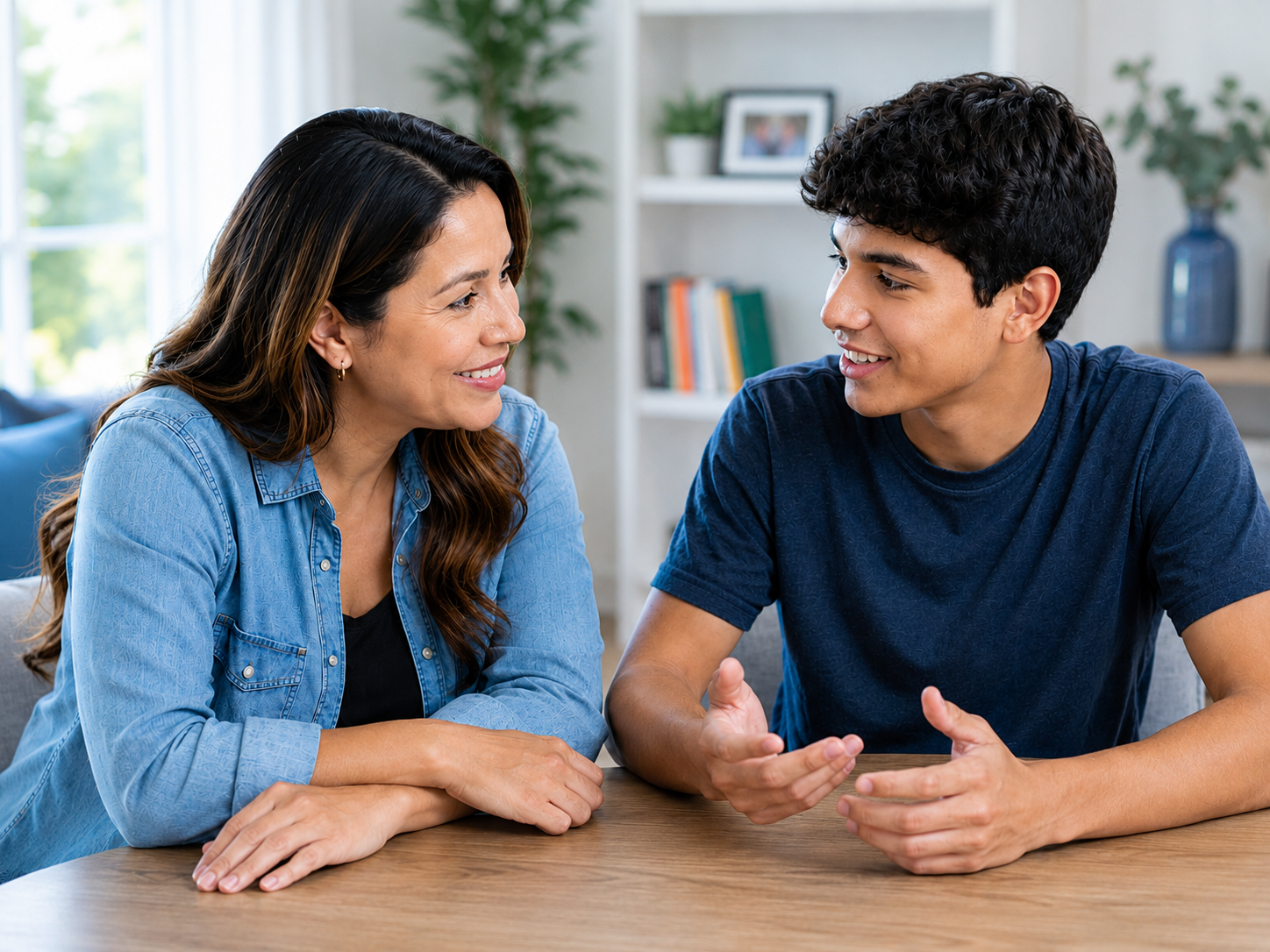
- Listen first. Resist the urge to jump in with solutions or opinions. Sometimes your teen just needs space to put their feelings into words.
- Offer steadiness. Teens look to us for cues. If we can stay calm and grounded—even while admitting we don’t have all the answers—we give them an anchor.
- Share hope. Point out the helpers: stories of kindness, resilience, or communities coming together. Remind them there are still good people and good things happening every day.
Respecting Different Perspectives
Of course, these conversations aren’t just about emotions—they’re also about perspectives.
Your teen may not see the world the same way you do—and that’s okay. Part of adolescence is exploring different viewpoints and forming their own opinions. If they share something that surprises you or doesn’t align with your perspective, resist the urge to debate or correct them. Instead, lean into curiosity.
You might say:
- “That’s an interesting way to see it—can you tell me more about what makes you feel that way?”
- “I may not agree, but I really appreciate you trusting me enough to share your view.”
- “It sounds like you’ve been thinking deeply about this—I’d like to understand your perspective better.”
By listening without judgment, you’re teaching your teen that respectful dialogue is possible—even when people disagree. That lesson may be just as important as the conversation itself.
Conversation Starters for Heavy Topics
When the subject feels overwhelming, parents often wonder how even to begin. That’s normal—starting the conversation is usually the most challenging part. Here are gentle ways to open the door:
- “That story in the news was hard for me to see. Did it stir up any feelings for you?”
- “When you hear about things like this, what do you wish adults understood about how it feels for teens?”
- “Does talking about these events help you, or does it make it harder? I want to follow your lead.”
- “What helps you feel safe or calmer when the world feels shaky?”
- “Even in hard times, there are people making things better. Do you notice stories like that too?”
These aren’t about solving the problem—they’re about showing your teen that their feelings matter and that you’re there to share the weight.
From Today’s Challenges to Tomorrow’s Future
Once your teen feels heard in the present, you can gently help them look ahead.
When teens talk about the heavier parts of the world, it’s easy for them to feel powerless. One way parents can offer hope is by connecting these conversations to the future. You might say:
- “I know the news feels overwhelming. But I also see strengths in you that could really make a difference someday.”
- “What kind of work or impact do you imagine making in a world like this?”
- “If you could change one thing about the world, what would it be? How could your future plans tie into that?”
These questions don’t just help your teen process what’s happening now—they encourage them to imagine how their education, career, and choices can shape a brighter future. It shifts the focus from fear to possibility and reminds them that they do have a role in making tomorrow better.
A Final Word of Hope
Yes, the world feels heavier today. Teens are exposed to violence and division in ways we never were. But heavy doesn’t mean hopeless. Our kids are incredibly resilient, especially when they know they don’t have to carry it all alone.
As parents, we can’t change every headline. But we can create moments of calm, connection, and hope inside our own homes. Sometimes, just sitting with your teen, listening without judgment, and reminding them they are loved is the most powerful response of all.
And when we help our teens connect today’s struggles with tomorrow’s possibilities, we don’t just ease their burden—we give them hope for a future they can help shape.